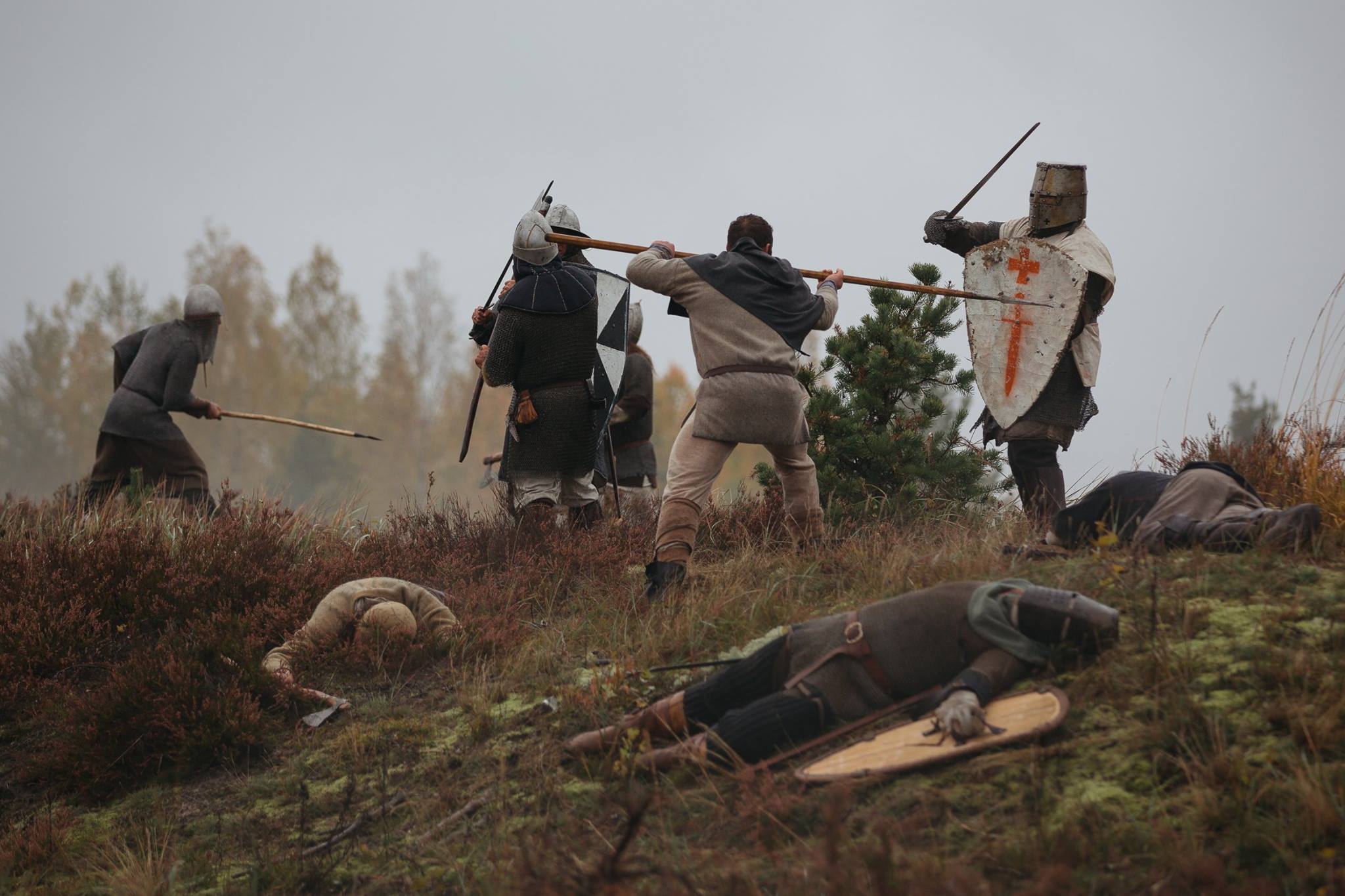
OSTATNI POGANIE EUROPY (BALTIC TRIBES: LAST PAGANS OF EUROPE), a Latvian-Polish co-production, is a well-made, innovative film that explores the history of the peoples once living on the eastern and southern shores of the Baltic Sea. The movie has been directed by brothers Raitis and Lauris Abele, young filmmakers who have already flipped an Oscar nomination for the short film Castratus the Boar (2015).
A meticulously executed two-part documentary, notable for its near-perfect devotion to the facts, supported by the expertise of scientific consultants, featuring fantastic score and cinematography (by Marcis, the third of the brothers), and interspersed with appealing animation, will surely draw interest – if not in the cinema circuit (due to the pandemic!), then certainly on specialty TV channels and VOD services. It will also make for an attractive resource for schools.
An exploration of the relationship between man and nature, and the pagan cultures’ respect towards the latter, is in itself a thing of value. The clash between Christian and pagan culture is more than a valuable lesson in history – “… it is up to us whether we will grow the trees with clean water or with blood…”. The film, which is making the rounds at festivals, may end up bringing the creators plenty of satisfaction and awards.
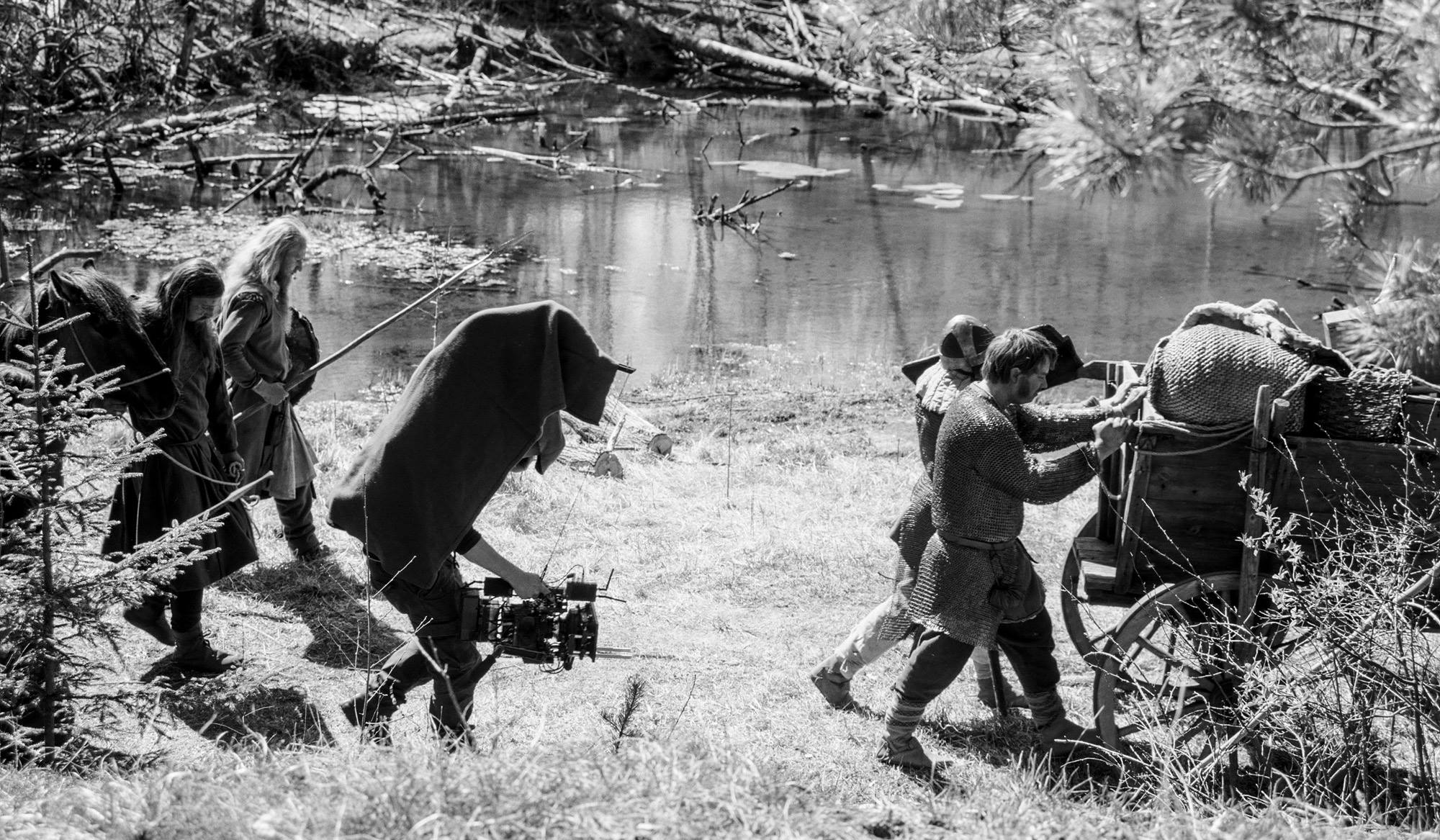
Some of the shooting took place in the Warmińsko-Mazurskie Voivodeship, including the Vistula River Bay, the regional landscapes (old growth forests and lakes), Elbląg and Grunwald. Post-production work was done by the Elbląg-based EGO MOOVIES, the Audio Recording Studio of the University of Warmia and Mazury in Olsztyn, and the actors of the Aleksander Sewruk Theatre in Elbląg, among others.
Dorota Roszkowska (ARKANA STUDIO) serves as the Polish producer of the film. She has worked with creators such as Marcel Łoziński (Poste restante), Lech Majewski (The Mill and the Cross), Paweł Pitera (Habit & Armour). Given her creative output and experience, it’s no wonder that the Abele brothers did not hesitate to pursue a collaboration with the producer.
The film is co-produced and co-funded by Warmia-Mazury Film Fund.