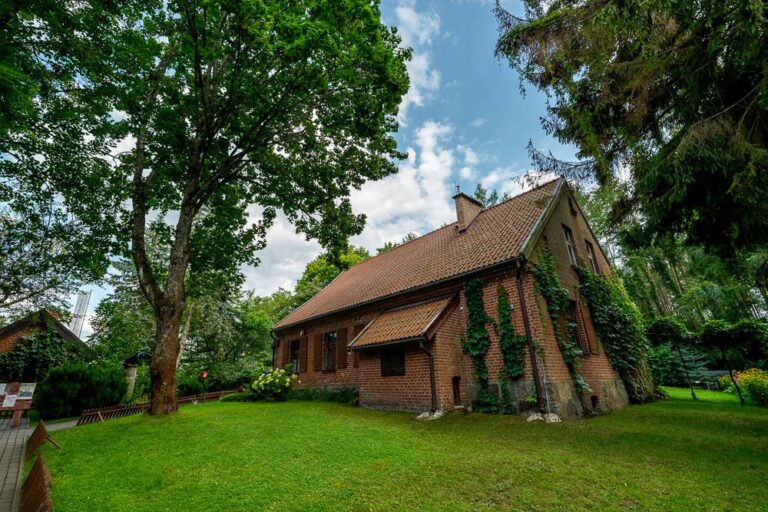
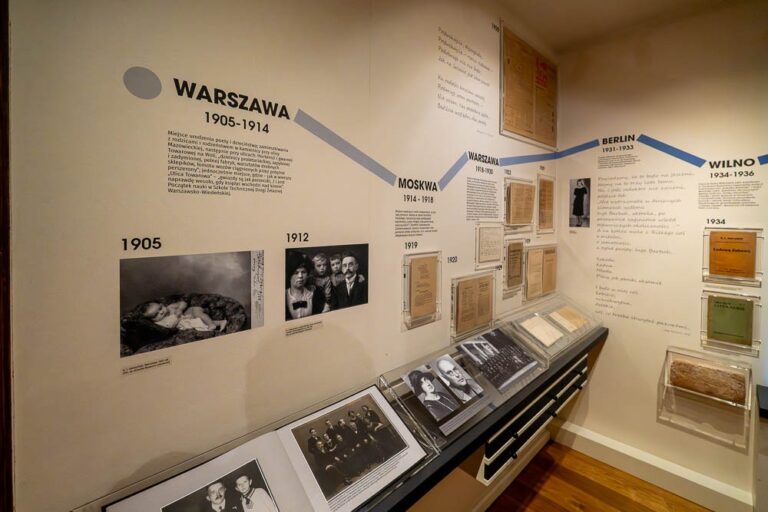
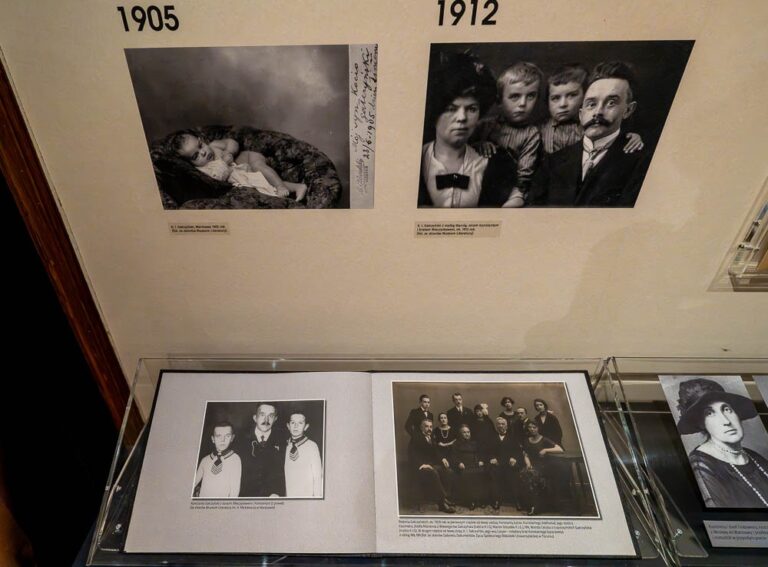
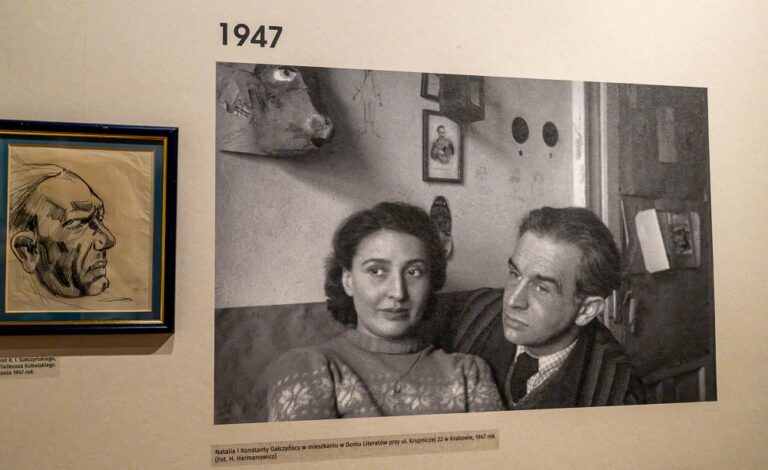
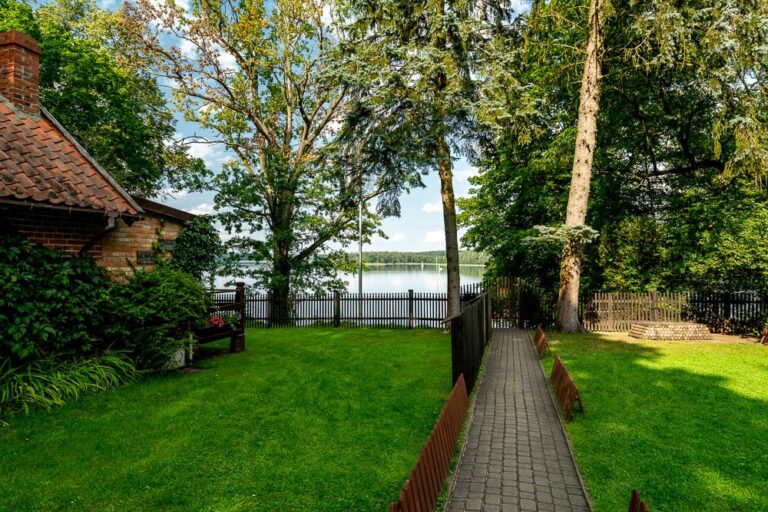
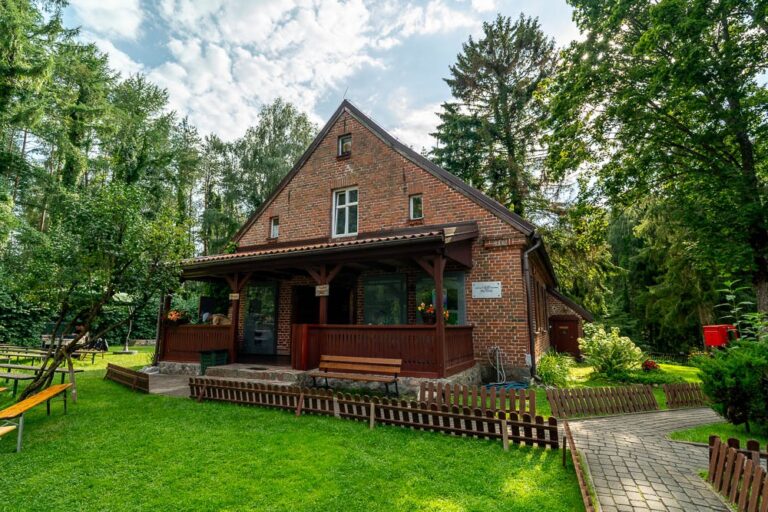
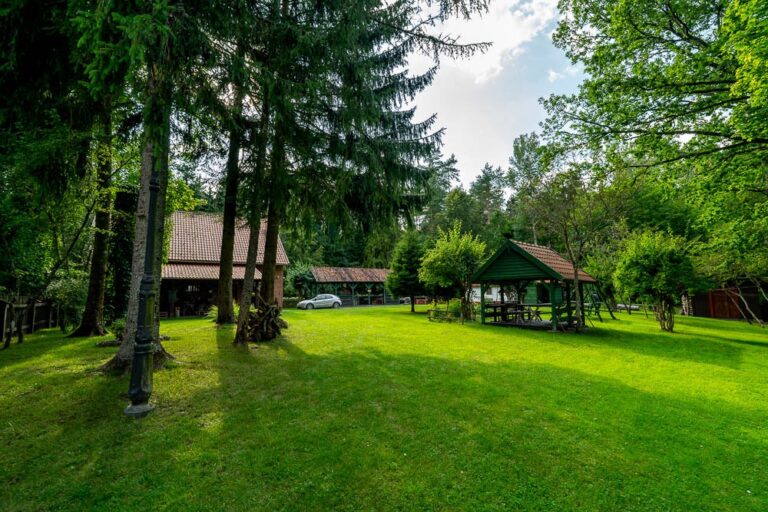
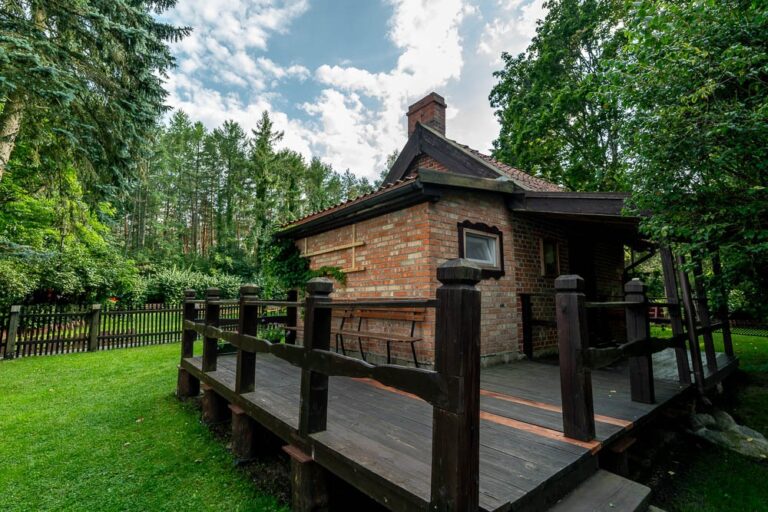
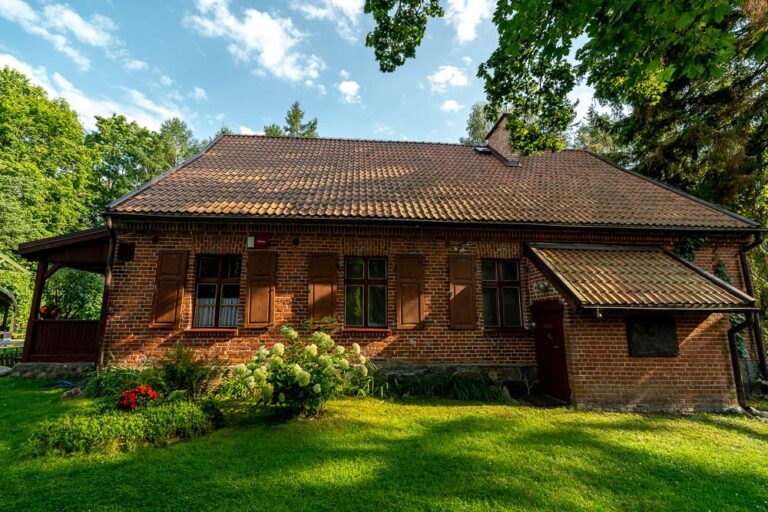
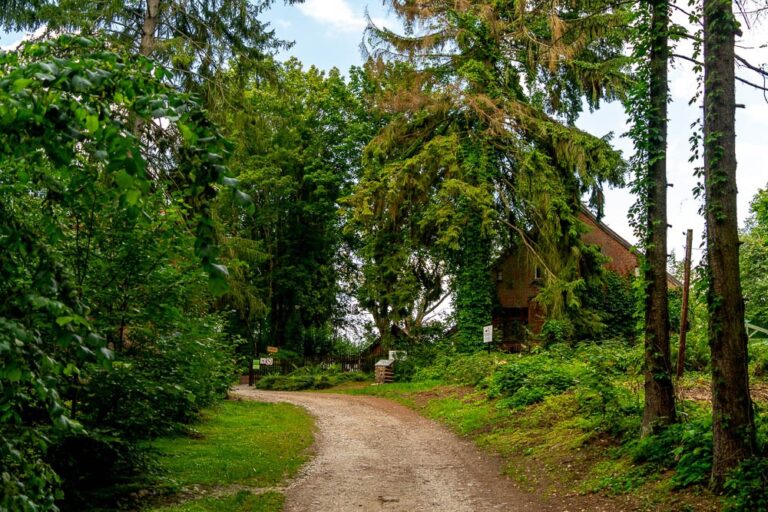
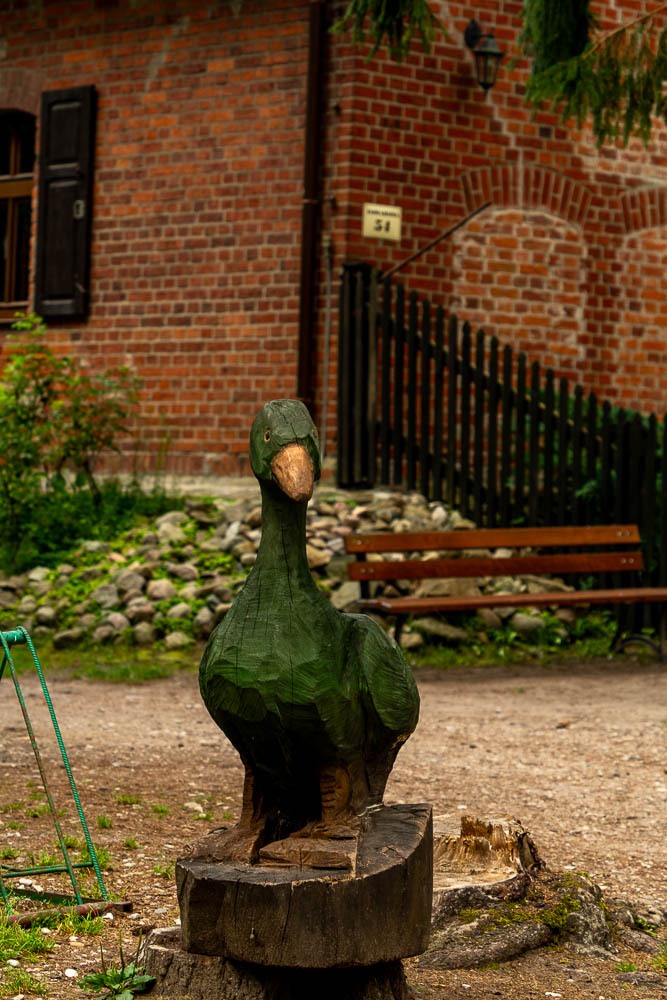
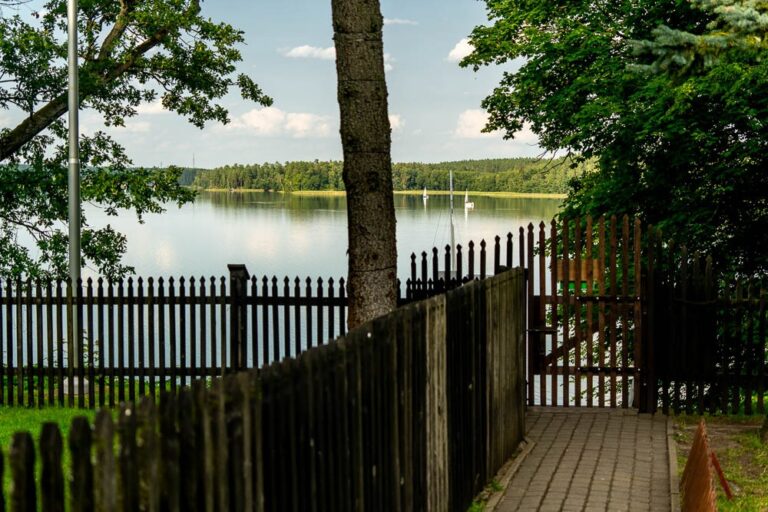
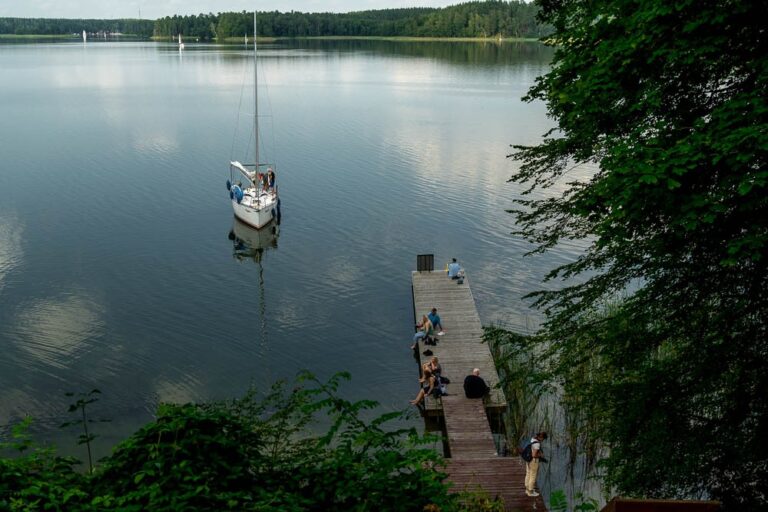
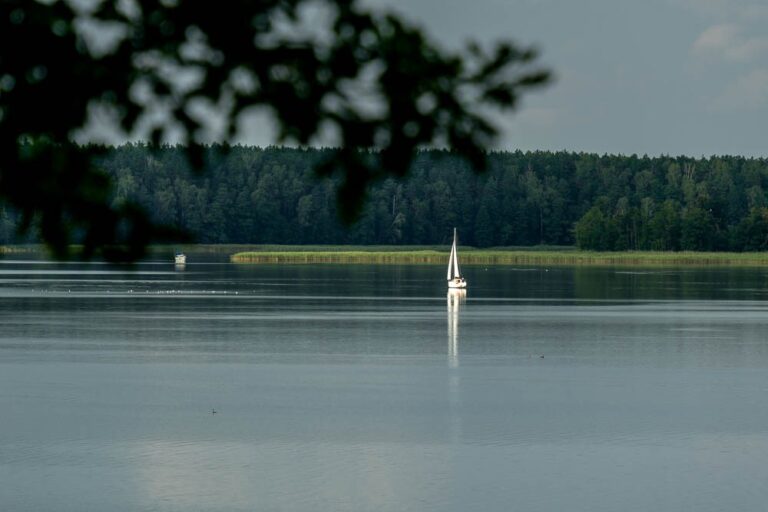
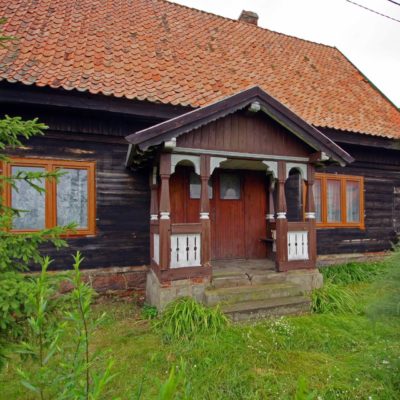
The Pranie Forester’s Lodge (Leśniczówka Pranie) is one of the most atmospheric places in Mazury, situated on the banks of Lake Nidzkie in the very heart of the Pisz Forest (Puszcza Piska). While today it is known primarily as the Konstanty Ildefons Gałczyński Museum, its history dates back to the times when it was a simple forest lodge serving the employees of the forestry service (State Forests).
Constructed in 1880 to serveas a residence for the local forester, the building stands as a classic example of East Prussian architecture, featuring red brickwork, timber detailing, and a steep, tiled roof.
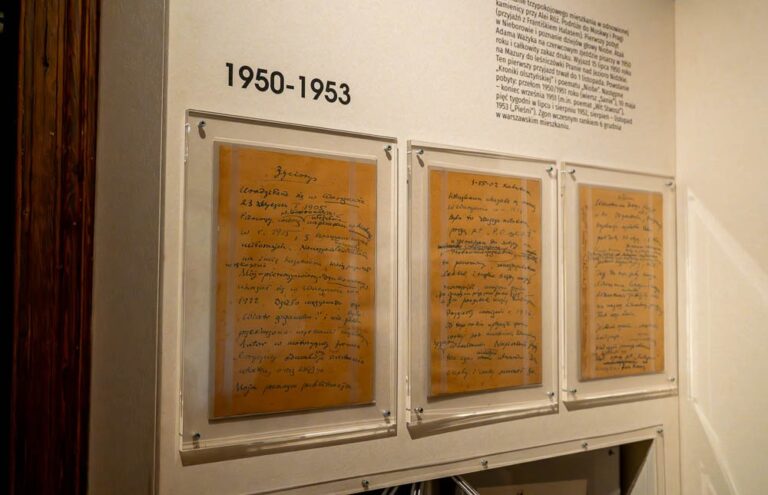
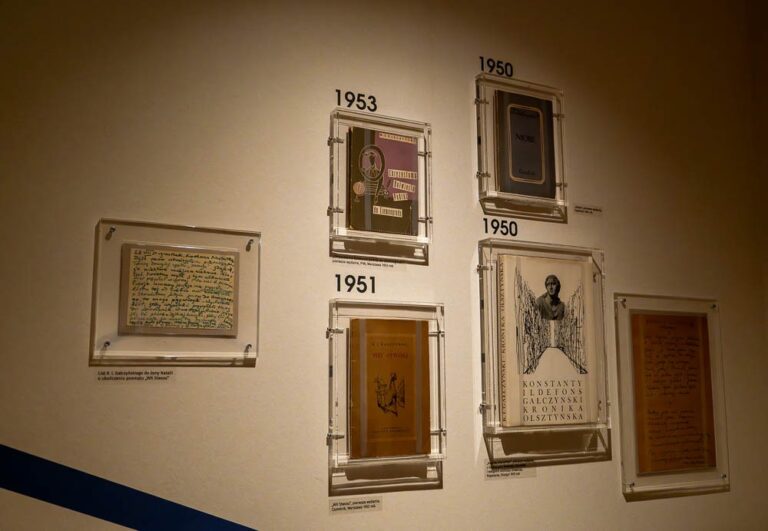
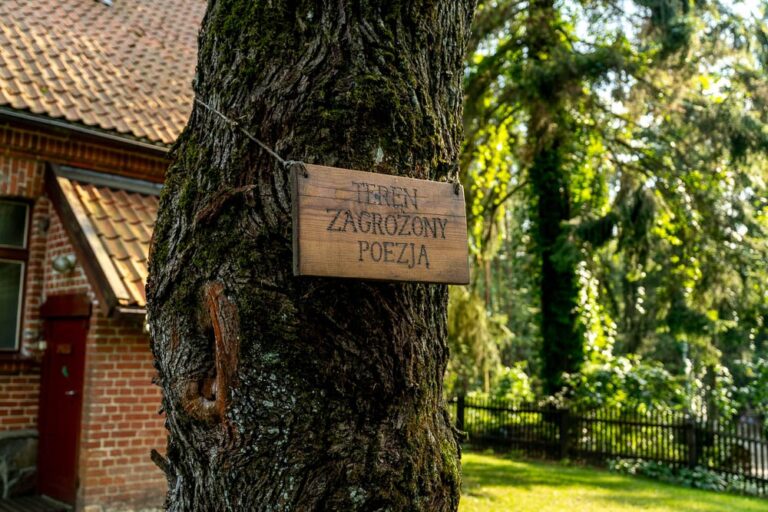
Its true claim to fame, however, came after 1950, when Konstanty Ildefons Gałczyński –one of the greatest Polish poets of the 20th century – began taking up summer residencies here at the forester’s invitation, drawing inspiration from the tranquil wilderness. Indeed, it was in Pranie that he penned works such as the “Kronika olsztyńska” (Olsztyn Chronicle) and “Niobe”.
Gałczyński loved Pranie so much that he dubbed it his “smallest yet most beautiful theatre in the world”, believing that its quiet solitude resonated more powerfully than Warsaw’s literary salons.
After the poet’s death in 1953, the lodge briefly returned to its original function, until the Konstanty Ildefons Gałczyński Museum was established on the premises in 1965.
Thanks to its lakeside setting, the museum offers visitors a unique experience – summer air scented with pine resin and water, birdsong drifting through open windows. The museum is only open in season, usually from May to the end of September.
Photo: Jarosław Kowalski