Under the 1736 Edict of the King of Prussia, schools were to be spaced out so as to be no more than 3.5 km walking distance away from the students’ homes.
School architecture also had a great impact on the Mazurian countryside, which does not feature many major structures such as churches, manors or palaces.
At the end of the 19th century, Mazury saw a school-building period that shaped its landscape. These schools were brick buildings with an entrance in the middle of the longer wall and a brick-gabled attic. The hallway led to the teacher’s residence on one side, and a classroom on the other.
The larger designs had two classrooms, and a two-storey wing topped with a ridge running perpendicular to the ridge of the lower section. The third – and largest – three-classroom variant was two-storey throughout. Such schools were built until 1914, when the Russians caused a great deal of destruction in Mazury during the First World War.
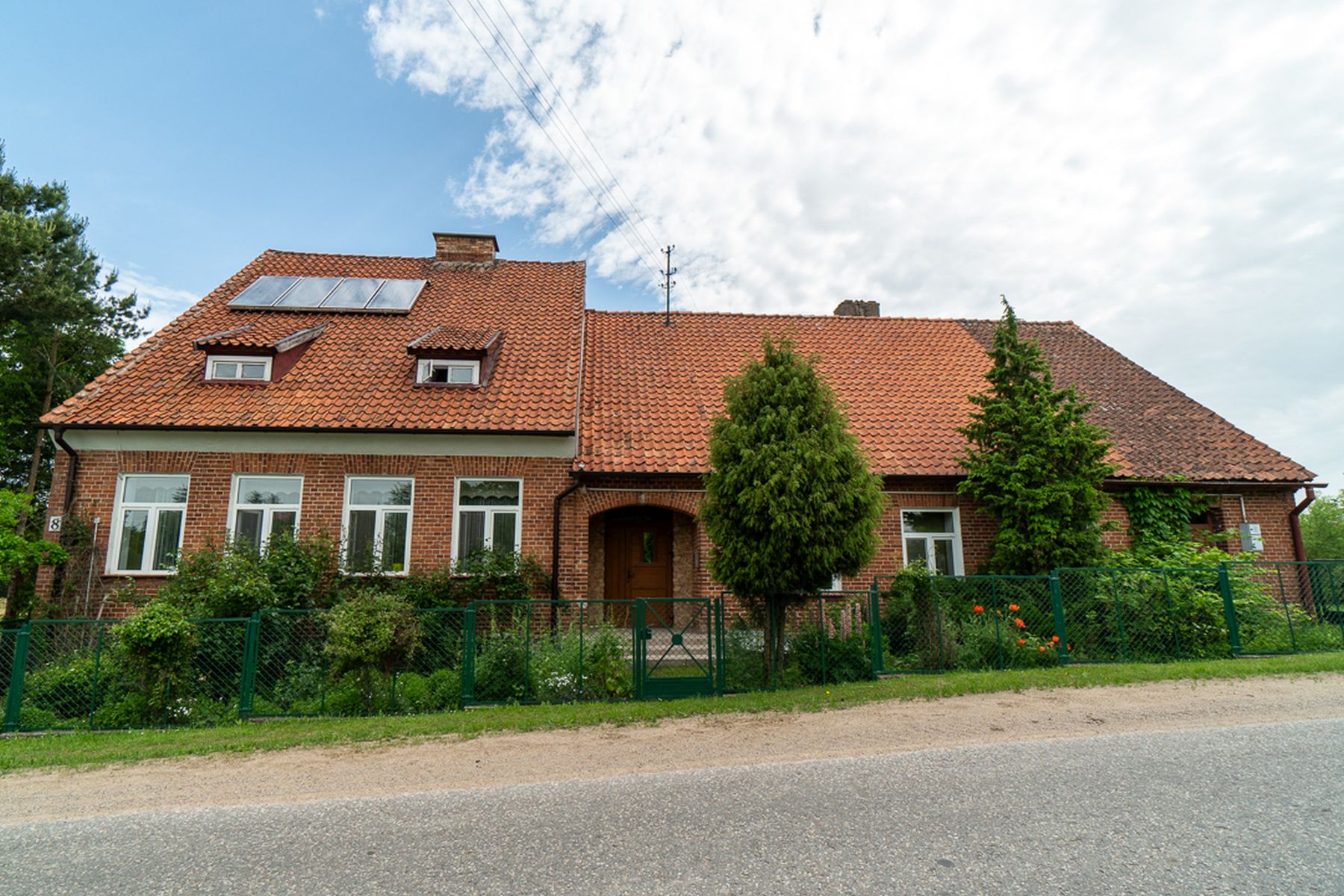
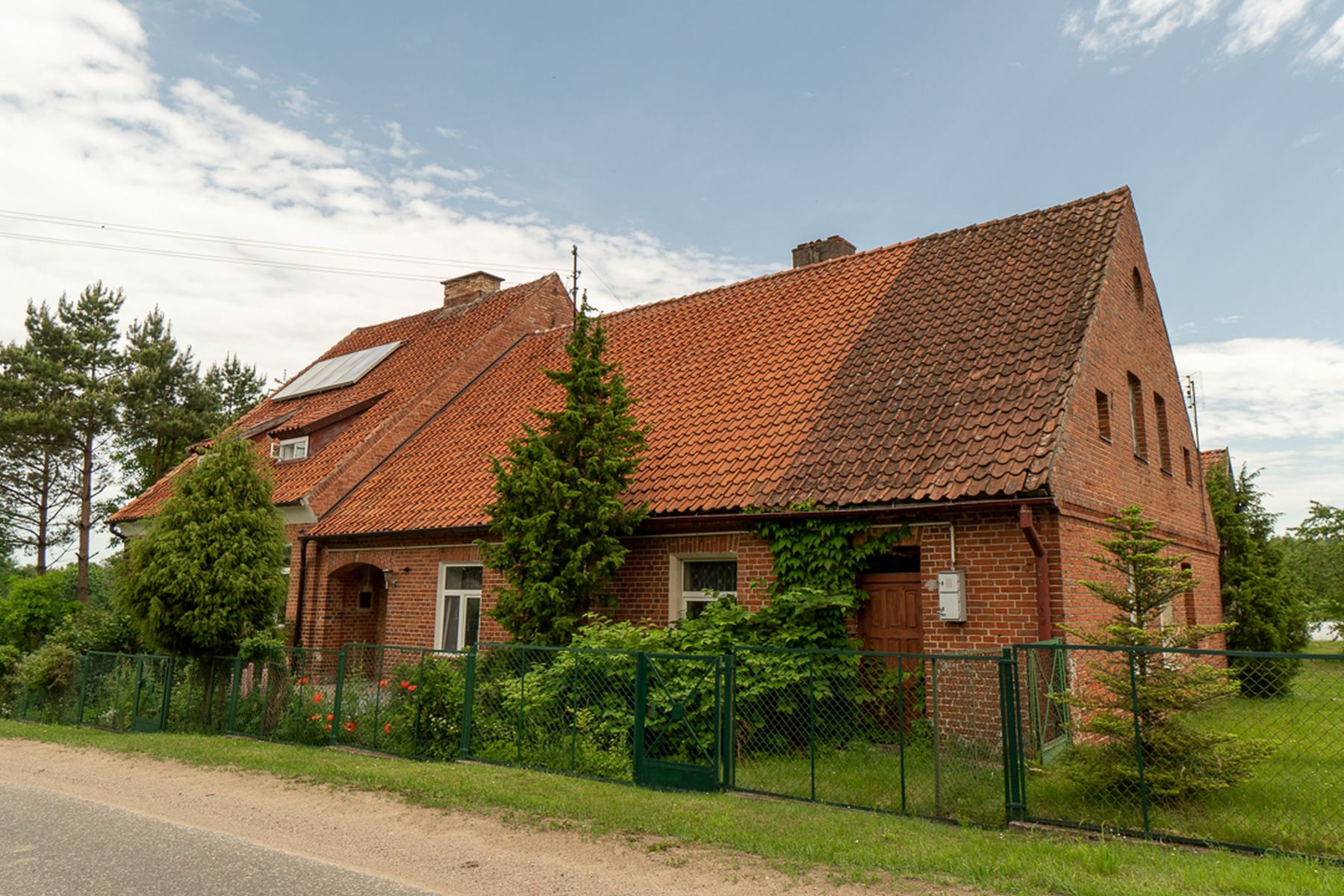
Photo by Jarosław Kowalski